


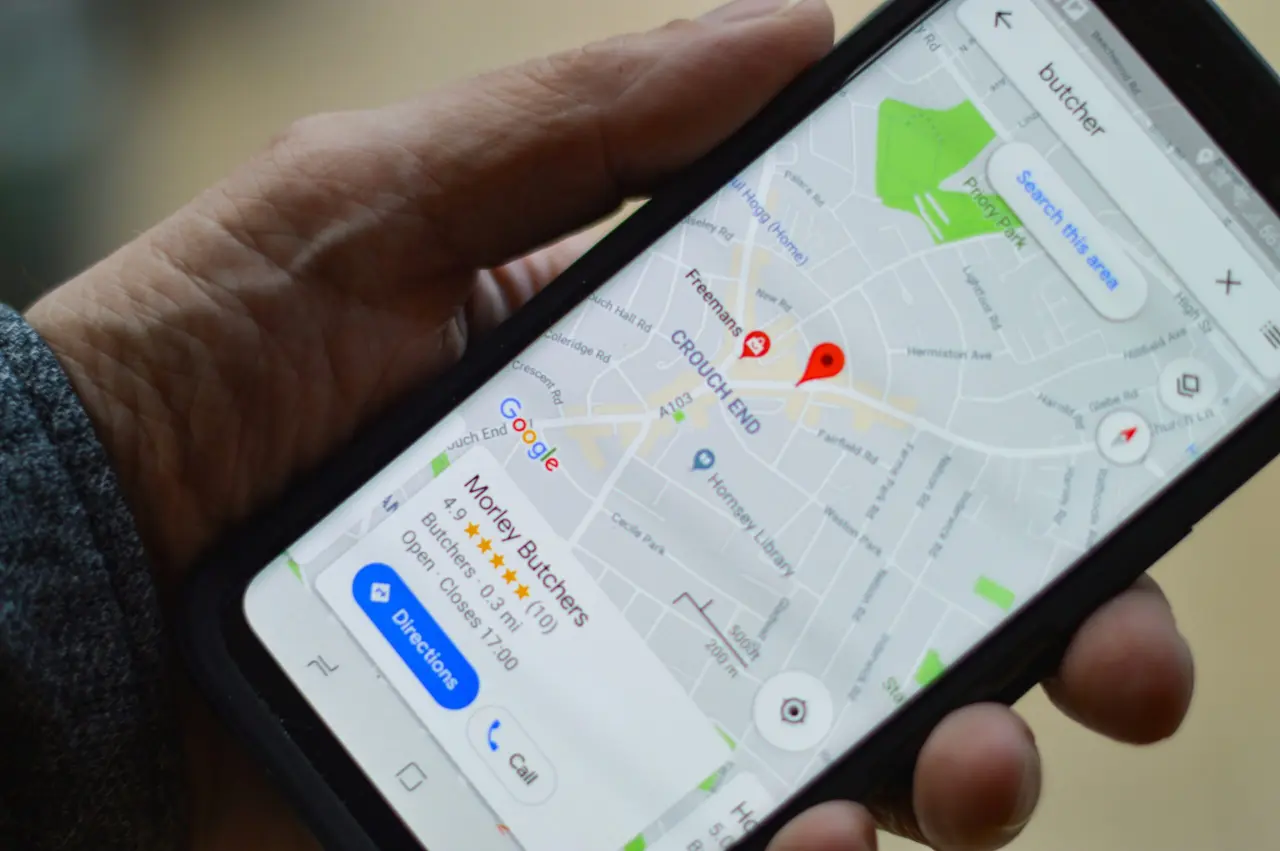
How to Actually Dominate Google Maps in 2025 (No Corporate BS)
Look, I’m going to be straight with you. If you’re running a local business and you’re not showing up on Google Maps, you’re basically invisible. After 20 years in the digital industry, I’ve watched countless businesses go from struggling to find customers to having more leads than they know what to deal with – all because they finally figured out local SEO.
The thing is, most advice out there is either outdated or written by people who’ve never actually helped a real business grow. So let me share what actually works in 2025, based on two decades of seeing what moves the needle.
Why Google Maps Became Your New Storefront
Remember the Yellow Pages? Yeah, me neither. These days, when someone needs a plumber at 2 AM or wants to find decent takeout, they’re pulling out their phone and typing “near me.”

Here’s what blows my mind: nearly half of all Google searches are people looking for local businesses, and 88% of people who search for a local business on their phone will actually visit or call within 24 hours. “Near me” searches have grown by over 900% in recent years.
What this means for your business is simple: if you’re not showing up in those local searches, you’re hemorrhaging customers to competitors who figured this out.
The Three Things Google Actually Cares About (It’s Not What You Think)
After two decades of watching Google’s algorithm evolve, I can tell you it’s not some mysterious black box. Local search comes down to three core factors, and understanding them changes everything.
**Relevance** is about how well your business matches what someone’s searching for. If someone searches “Italian restaurant,” Google wants to show Italian restaurants, not pizza places or sandwich shops.
**Proximity** is straightforward – how close you are to the person searching. You can’t really control this unless you’re planning to relocate your entire business.
**Prominence** is where things get interesting. This is basically Google asking “how well-known and trustworthy is this business?” And this is where you can make a real difference.
Your Google Business Profile: Stop Treating It Like a Business Card
I can’t tell you how many business owners I meet who set up their Google Business Profile years ago and then never touched it again. That’s like putting up a “We’re Open” sign and then boarding up your windows.
Fill Out Everything (And I Mean Everything)
Every empty field in your profile is basically you telling potential customers you don’t care enough to finish setting up shop. Years of experience have taught me that the businesses that dominate local search are obsessive about these details.
Make sure you’ve got your business verified, pick the most specific primary category you can find, list all your services with actual descriptions (not just “plumbing services”), add your complete business hours including holidays, and upload photos that don’t look like they were taken with a potato.
Write a Description That Actually Sells
Your business description won’t directly boost your ranking, but it’s often the first impression potential customers get. Don’t waste it on generic fluff like “We provide quality service at competitive prices.”
Instead, tell people what you actually do, what makes you different, and where you serve. For example, instead of “We are a trusted HVAC company,” try something like “We’ve been keeping GTA homes comfortable since 2003, specializing in energy-efficient heating solutions and same-day emergency repairs throughout Vaughan, Mississauga, and Toronto.”
Reviews: Your Digital Reputation in Action
Reviews are like the modern version of word-of-mouth, except everyone can see them. Google loves businesses that consistently get fresh reviews because it signals you’re actively serving customers and people actually care enough to talk about their experience.
But here’s where most businesses mess up: they only ask for reviews when they remember to, which is almost never.
Create a System (Not Just Hope and Pray)
The businesses that dominate Google Maps have systems for getting reviews. Maybe it’s a follow-up email that goes out three days after a job is completed, or training your staff to ask at the right moment, or even something as simple as a QR code on your receipt that links to your review page.
Twenty years of watching businesses succeed and fail has shown me this: the companies that leave reviews to chance get sporadic results. The ones with systems get consistent growth.
Respond to Every Single Review (Yes, Even the Brutal Ones)
This is where I see a lot of business owners get uncomfortable, especially with negative reviews. But here’s what two decades in this industry has taught me: how you handle criticism publicly shows potential customers what kind of business you really run.
When you get a bad review, don’t get defensive or make excuses. Thank them for the feedback, address their specific concerns, take responsibility where appropriate, and offer to make things right. I’ve seen negative reviews actually help businesses because their professional response impressed other potential customers reading the thread.
Local Content That Actually Connects
Content marketing for local businesses isn’t about writing blog posts that sound like they came from a corporate handbook. It’s about showing you’re genuinely part of the community you serve.
Show You Know Your Neighborhood
If you serve multiple areas in the GTA, create pages for each location that actually add value. Don’t just copy and paste the same content and change “Toronto” to “Mississauga.” That’s lazy and Google will notice.
Instead, mention local landmarks, talk about specific challenges in that area, or share insights about working in those communities. Whether you’re serving a condo tower in downtown Toronto or a suburban home in Richmond Hill, show that you understand the unique needs of each area.
Get Involved (And Talk About It)
Supporting local events, sponsoring youth sports teams, or participating in community initiatives doesn’t just make you a good neighbor – it creates natural opportunities for local websites to mention and link to your business.
But don’t just write a check and forget about it. Share your involvement on your website and social media. It shows you’re invested in the community, not just trying to extract money from it.
The Technical Stuff (Don’t Worry, I’ll Keep It Simple)

You don’t need to become a coding expert, but there are a few technical things that can make a huge difference in how Google sees your business.
Make Your Website Actually Work on Phones
Most people are searching for local businesses on their phones, often while they’re out and about. If your website looks terrible on mobile or takes forever to load, they’ll hit the back button and try your competitor instead.
This isn’t just about ranking – it’s about not losing customers who are literally trying to give you money. After 20 years of building websites, I can tell you this is still the most common mistake businesses make.
Help Google Understand Your Business
Schema markup sounds complicated, but it’s basically a way to give Google structured information about your business. Think of it as filling out a form that helps search engines understand exactly what you do, where you’re located, and when you’re open.
Most businesses can benefit from basic LocalBusiness schema that includes their name, address, phone number, hours, and services. It’s not glamorous, but it works.
Building Real Community Connections
The best local SEO happens when you’re genuinely connected to your community. When local websites naturally want to mention your business, when customers organically recommend you, when other businesses want to partner with you – that’s when you know you’re doing it right.
Instead of chasing random backlinks from directory sites nobody’s heard of, focus on building real relationships. Join your local Chamber of Commerce, sponsor community events that align with your values, or collaborate with complementary businesses.
Two decades in this industry has shown me that businesses with genuine community connections don’t just rank better – they’re more resilient when algorithms change and economies shift.
How to Know If It’s Actually Working
Don’t just obsess over your Google Maps ranking (though that’s important too). Look at the bigger picture:
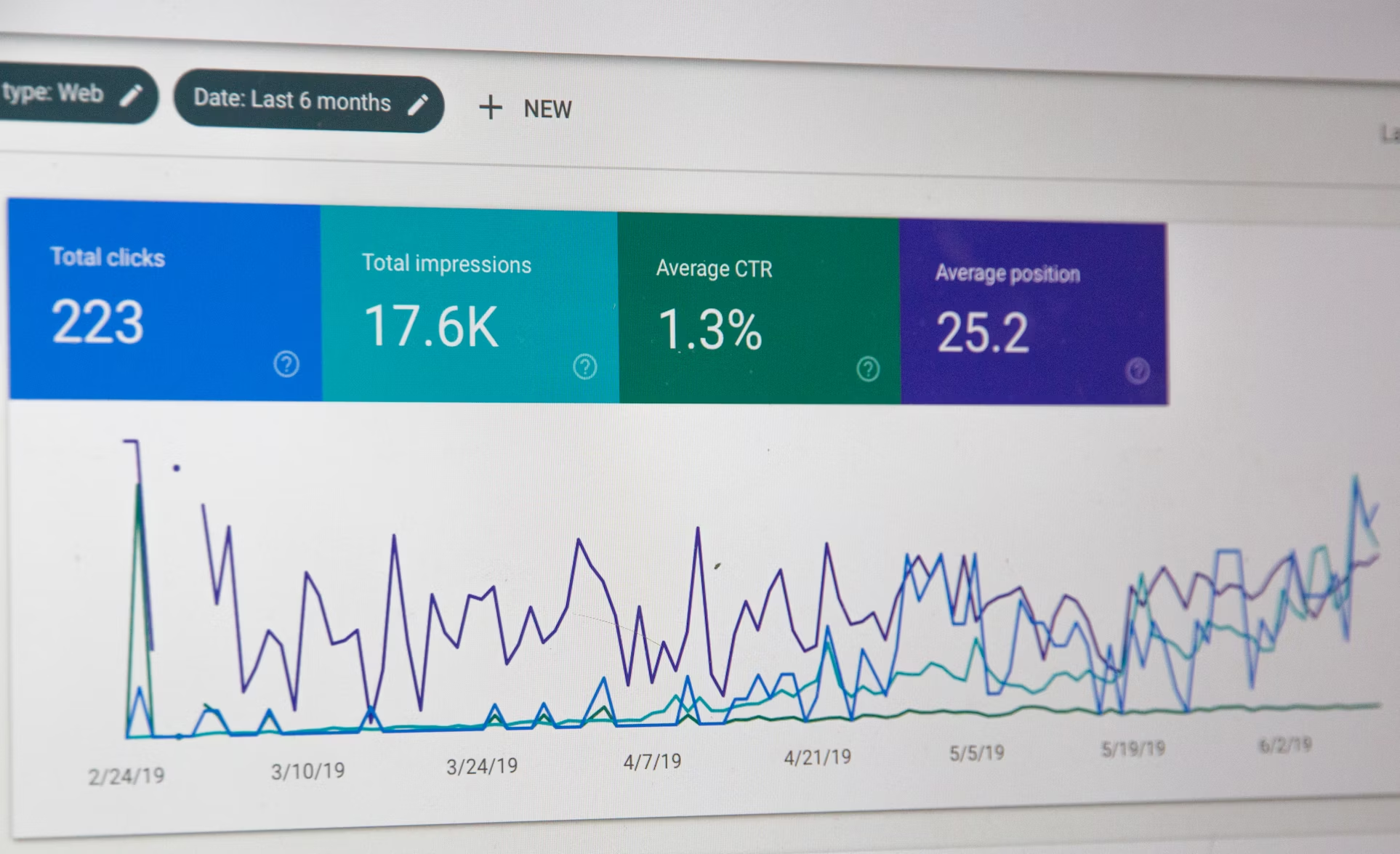
Are you getting more phone calls and website visits from local searches? Are people finding you for the services you actually want to provide? Are your reviews increasing steadily? Is your website traffic from local sources growing?
Track these metrics monthly, not daily. Local SEO is a marathon, not a sprint, and you need to give changes time to show results.
Mistakes That’ll Kill Your Progress
I’ve seen businesses make the same mistakes over and over again. Stuffing keywords into their business name (Google hates this), buying fake reviews (which can get you penalized), ignoring customer reviews entirely, or creating dozens of thin location pages that add no real value.
The biggest mistake though? Treating local SEO like a one-time project instead of an ongoing part of running your business. Your competitors aren’t standing still, and neither should you.
What’s Coming Next in Local Search
Local search keeps evolving. Voice search is getting bigger, visual search through Google Lens is becoming more common, and Google keeps adding new features to Business Profiles.
The key is staying focused on the fundamentals while keeping an eye on emerging trends. Businesses that consistently provide value to their local communities and maintain strong online presences will adapt to whatever changes come next.
The Bottom Line
Local SEO isn’t about gaming the system or finding shortcuts. It’s about making it easy for people in your community to find and choose your business when they need what you offer.
Whether you’re serving customers in downtown Toronto, the suburbs of Vaughan, or anywhere else in the GTA – or even if you’re a service business that works globally – the principles remain the same. Show up consistently, provide real value, and make it easy for customers to choose you.
At Skyline Coders, we bring 20 years of industry experience to helping businesses dominate their local search results. It’s not magic – it’s systematic work that pays off over time. The businesses that commit to doing it right don’t just show up on Google Maps; they become the obvious choice in their market.

Ready to transform your digital presence with 20 years of expertise?
Start your project by filling out our questionnaire and help us understand your goals.
or reach out directly
Phone: 416-561-5793
Email: info@skylinecoders.ca